

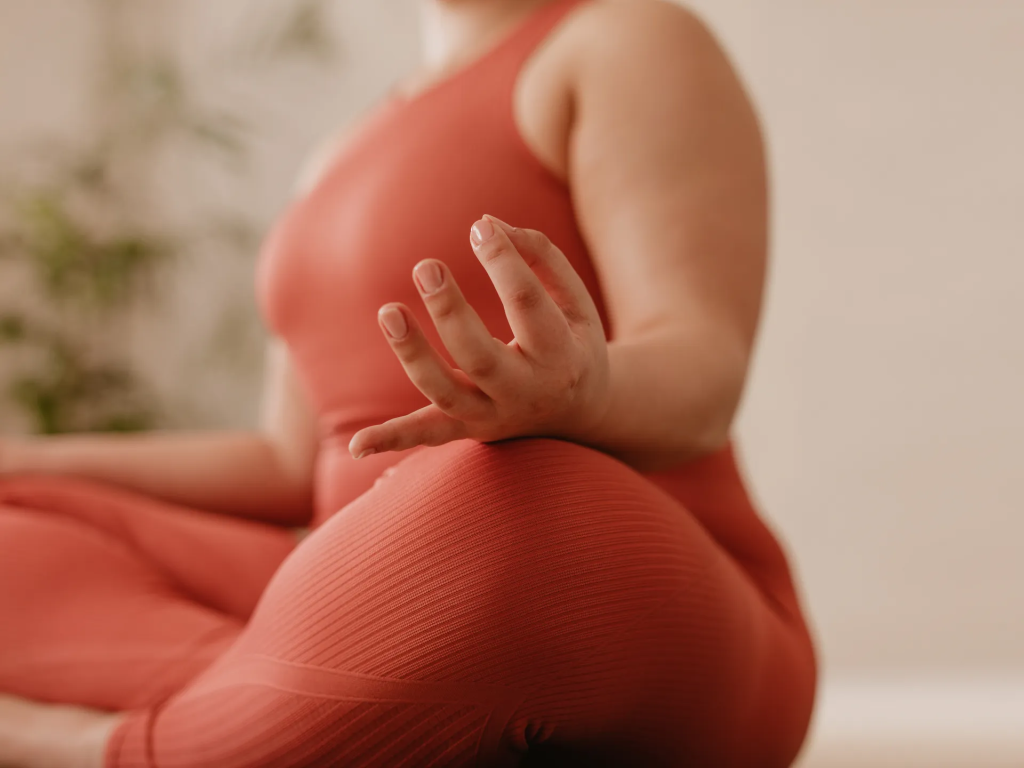
We’ve known for a while that exercise can help combat sleep issues and, in turn, help you function at a better capacity. But a new study, recently published in the journal BMJ Evidence-Based Medicine, is giving us even more insight into the relationship between sleep and working out: Certain kinds of exercise, we now know, are better at fighting the symptoms and side effects of insomnia than others. Yoga, tai chi, walking, and jogging may offer the biggest benefits—and the benefits associated with tai chi may even persist in the longer term.
Of course, insomnia can significantly impact many facets of life. It’s “more than just tossing and turning at night,” Joanna Fong-Isariyawongse, MD, a University of Pittsburgh Medical Center neurologist who specializes in sleep and epilepsy and an associate professor of neurology at the University of Pittsburgh School of Medicine, tells SELF. “When it sticks around, it can drain your energy, make it hard to concentrate, and leave you feeling foggy and forgetful.” In turn, she says, “people with insomnia often struggle with work, relationships, and day-to-day tasks because they are simply exhausted. Over time, it also raises the risk for depression, anxiety, heart disease, diabetes, memory problems, and even accidents on the road.”
Interestingly, these exercise types achieve their respective sleep benefits in different ways. Yoga may help alleviate anxiety and depression. Tai chi may help promote relaxation and shift your nervous system into a lower gear. Walking or jogging not only makes you physically tired, but it also reduces cortisol levels, helps regulate emotions, and triggers melatonin secretion. Whatever the precise mechanism(s), though, these exercises all share one key trait: a low barrier to entry, thanks to advantages like “low cost, minimal side effects, and high accessibility,” the researchers wrote. This all isn’t to say that other types of exercise don’t positively impact an insomniac’s sleep, either: “Pilates, strength training, and other aerobic workouts also help and are worth trying,” Dr. Fong-Isariyawongse says. Ultimately, just choose one that “feels good and fits into your life.”
Overall, this study “supports the growing body of evidence in sports medicine that promotes the idea that ‘exercise is medicine,’” Jeanne Doperak, DO, a sports medicine physician at the University of Pittsburgh Medical Center and an assistant professor at the University of Pittsburgh School of Medicine, tells SELF. If you want to try out one of these workouts to see if it has any effect on your insomnia (or even if you’re just looking for a new workout, period), keep in mind that timing, duration, and intensity all matter too. Per previous research, “the sweet spot seems to be around an hour of movement, four to five times a week,” and consistency matters more than perfection, Dr. Fong-Isariyawongse says.
Meanwhile, as far as timing, try your best to avoid vigorous physical activity within four hours of bedtime: Going at a high intensity too close to that point “can raise heart rate, body temperature, and stress hormones, which makes it harder to fall asleep and lowers sleep quality,” according to Dr. Fong-Isariyawongse. Done right, she concludes, adding regular movement into your routine “is one of the most natural and effective ways to help your body rest”—and that holds true whether you have insomnia or not.